
A two-zone fire is the single technique that makes a Weber kettle grill capable of Brazilian barbecue. It is not a Brazilian technique, it is an adaptation, but it reproduces the thing that matters most about a churrasqueira: the ability to change how much heat the meat is receiving without changing the fire.
Shop links on this page: I may earn a commission. Same price for you. As an Amazon Associate I earn from qualifying purchases.
A kettle grill grate often sits around 10 cm (4 in) from the coals, closer than the 30–40 cm (12–16 in) most Brazilian beef wants, which is why the empty side matters. See how far picanha sits from the charcoal.
The setup
Coals on one side of the charcoal grate. Nothing on the other side. That is the whole idea.
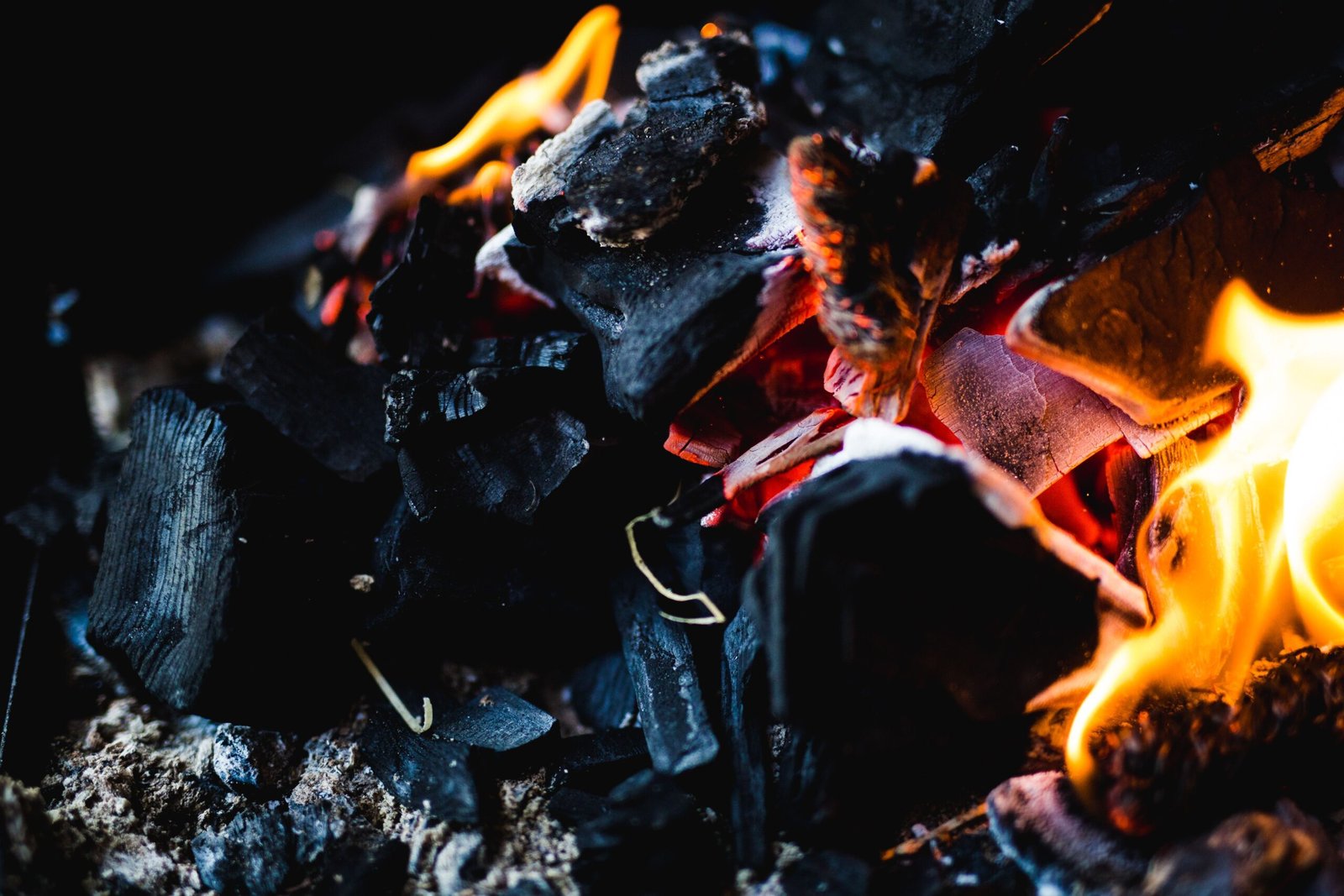
On a 22-inch kettle grill, bank a full chimney of lit lump charcoal against one half, piled two or three coals deep at the center and tapering out. Leave the other half completely bare. Pile the coals on one side so you have a hot zone and a cool zone. A thin layer across the whole grate gives you one middling temperature everywhere.
Charcoal baskets make this easier and keep the pile from sprawling, but two fire bricks or simply careful pouring works. Put the cooking grate on with the hinged sections over the coals so you can add fuel without lifting food.
Lighting it
Use a chimney starter. Fill it with lump charcoal, stuff one or two sheets of newspaper into the base, light the paper, and leave it alone. In fifteen to twenty minutes the top coals will have ashed over. That is when you pour.
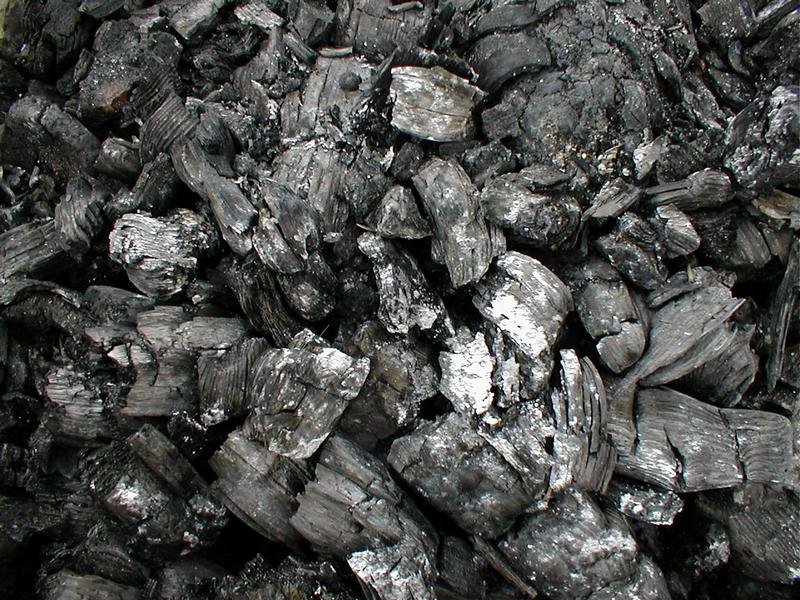
Use lump charcoal (100% wood lump), not briquettes. Lump lights faster and burns hotter. For a long costela cook, add a second chimney of fresh lump when the first pile drops. A chimney and newspaper light the lump. Lighter fluid leaves a smell on the meat.
After pouring, put the grate on and let it heat for five minutes, then scrape it. A hot clean grate matters more than oiling.
Reading the two zones
Use the hand test at grate height. Over the coals you should be able to hold your palm there for two to three seconds. That is a searing zone, roughly 500°F and up. Over the empty side you should manage five to seven seconds or more, which is a moderate roasting zone.
Control the fire with the vents. Bottom vent fully open, top vent fully open, gives you maximum heat. Closing the top vent partway brings the whole grill down. Leave the bottom vent at least a little open during the cook, unless you are putting the fire out.
Lid on or off is also a control. Lid off for fast searing, lid on when you want the cool side to behave like an oven.
Why this replaces the rotisserie
In a restaurant, meat on a long skewer turns near a wall of embers and the cook adjusts the distance from the fire. The heat is radiant and constant, and the variable is position. At home you cannot easily replicate the vertical geometry, but you can replicate the variable.
Moving a piece of meat from the hot side to the cool side is functionally the same decision as raising a skewer. You are reducing incoming heat without changing the fire. Once you think of it that way, the kettle grill stops being a compromise.
What you do not get is the slow rotation and the way fat runs down a vertical face. That is a genuine difference and it is why a home picanha tastes slightly different from a good churrascaria. It is close enough to be worth doing.
Picanha on two zones
Cut the top sirloin cap (picanha) with the grain into thick steaks, roughly an inch and a half, fat cap left on. After the cook you slice those steaks against the grain. Salt heavily with coarse salt. Start fat cap down over the hot side and let it render, four to six minutes, moving pieces to the cool side whenever fat drips and flares.
Flames touching the meat produce burnt fat, not crust. When flare-ups start, move the meat. Water on the coals just makes ash and steam.
Once the cap is rendered and browned, sear each cut face over the coals, then finish on the cool side with the lid on until the center reaches about 125 to 130°F (52 to 54°C) for medium rare, checked with an instant-read thermometer. Rest, knock off the salt, slice against the grain.
Safety instructions
Rare beef at 125 to 130°F (52 to 54°C) is below the USDA 145°F (63°C) finish. Buy whole muscle from a butcher or a named packer, and sear the outside. Higher-risk people should wait for 145°F (63°C). Ground beef stays 160°F (71°C).
Sausage on two zones
Fresh garlic pork sausage (linguiça toscana) lives on the cool side almost entirely. Fresh pork sausage needs to reach 160°F (71°C) internal, checked with an instant-read thermometer, and over direct coals the casing splits and the outside burns before the center is safe. Set the links on the empty half, lid on, turning every few minutes for fifteen to twenty five minutes, then give them a minute over the coals at the end for color.
Running both at once
This is the real advantage. Sausage and grilling cheese (queijo coalho; halloumi is the stand-in) go on the cool side early. Beef comes over the hot side later. Garlic bread (pão de alho) goes on the cool side at the very end while the beef rests. One kettle grill, one fire, a whole churrasco in sequence, which is how it is supposed to be served anyway.
What to buy
This method is written for a kettle grill. A close grate is the low setup. Grills that let you set meat distance are on What to buy.
Kettle grill
- Low: Weber 18-inch Original Kettle. A real Weber, not a no-name bowl. Enough fire for two.
- Usual kettle grill for this method: Weber 22-inch Original Kettle. A two-zone fire actually fits.
Chimney
- Low: Kingsford Heavy Duty chimney. Lights a full load on a smaller budget, enough for an 18-inch kettle grill.
- Usual mid: Weber Rapidfire 7416.
Charcoal
- Low: a named lump bag that lights clean in a chimney.
- Usual mid: Jealous Devil lump.
- High: FOGO Premium lump. Dense pieces that last on a long fire.
Next cooks
- How far should picanha sit from the charcoal
- Charcoal vs gas for Brazilian barbecue
- How to grill picanha on a kettle grill
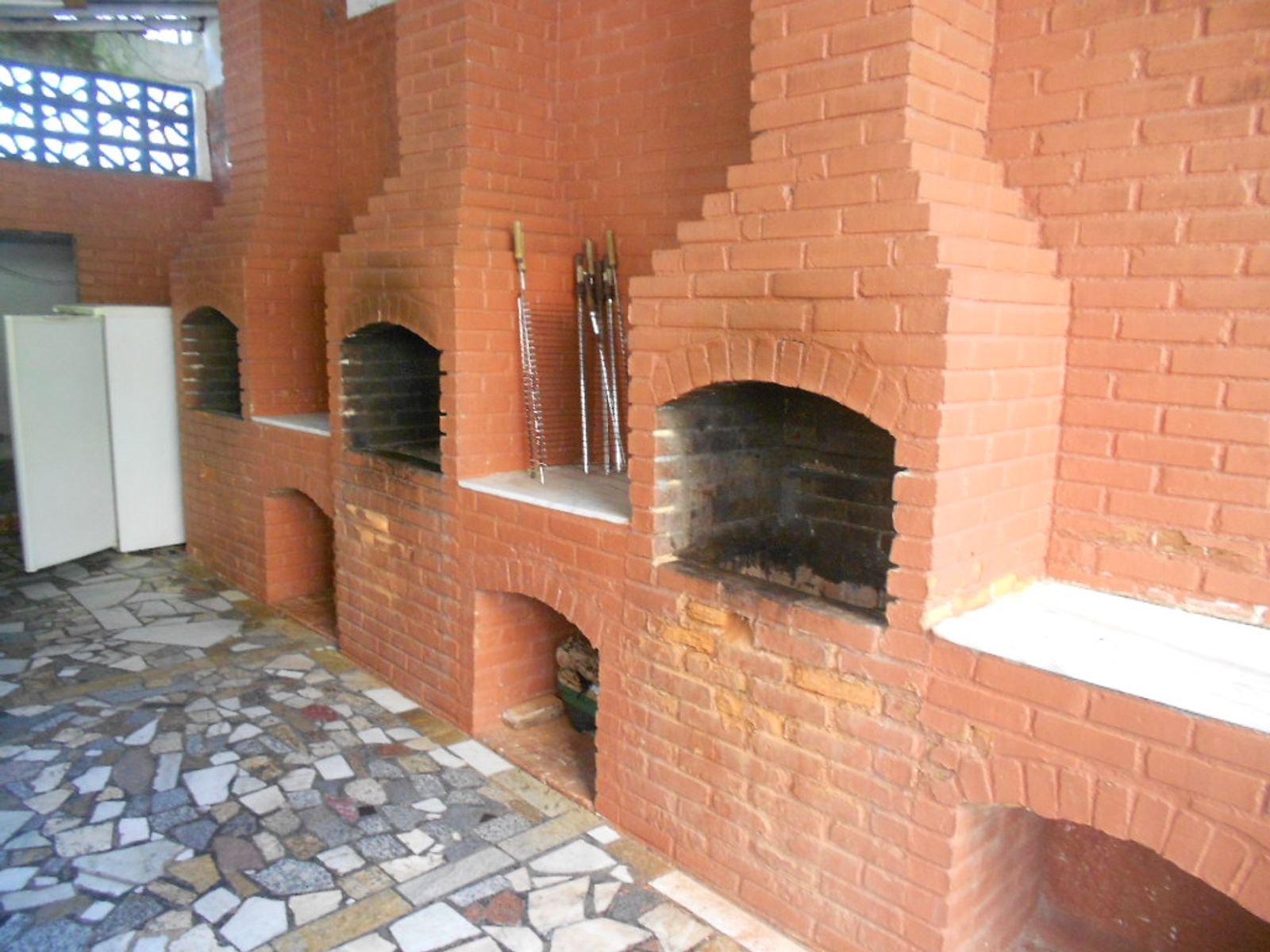
- Types of Brazilian barbecue grills (churrasqueiras)
- Starter gear
Region: Sul, Across Brazil.
Leave a Reply