
Salt is the entire seasoning program for beef at a churrasco. There is no rub, no marinade, no sauce. That makes the choice of salt one of the few decisions you actually get to make, and it is the one most first-timers get wrong.
Shop links on this page: I may earn a commission. Same price for you. As an Amazon Associate I earn from qualifying purchases.
What sal grosso actually is
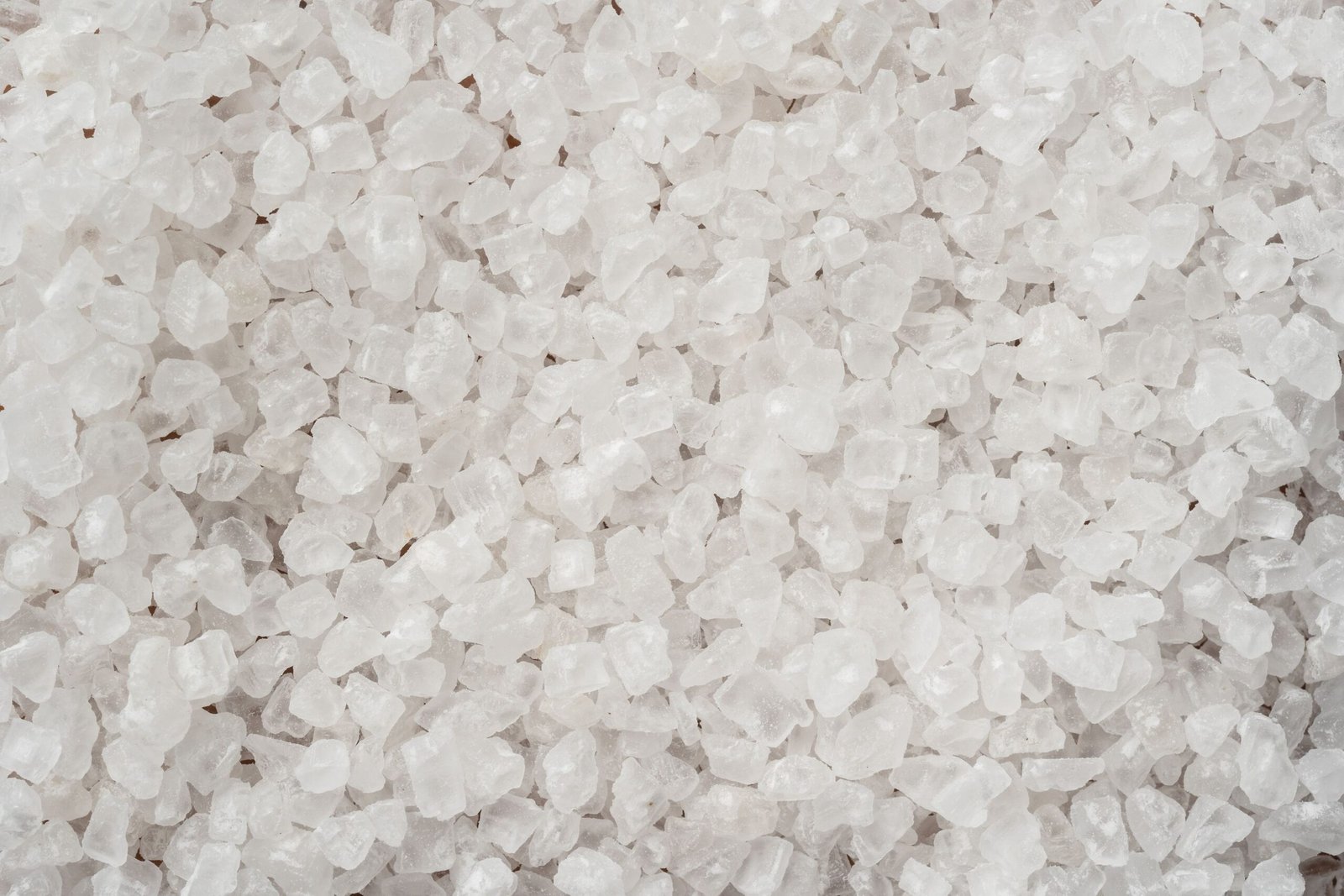
Sal grosso is coarse rock salt, sold in Brazil in large bags and used in quantities that look alarming if you are used to seasoning a steak with a pinch. The crystals are big, irregular, and hard. They do not dissolve quickly. That is the point.
On a skewer over coals, a heavy coat of coarse salt does two things. It seasons the surface, and it forms a physical layer that moderates how fast the outside dries and browns. Some of it falls off in the fire. Some of it stays on the fat cap and is knocked off before slicing. What ends up in the meat is far less than what went on.
The practical US substitute
You can buy imported sal grosso at Brazilian markets and online, and if it is easy to get, use it. If it is not, coarse kosher salt is the stand-in that works. It is not identical, the crystals are smaller and softer, but it behaves the same way in the ways that matter.
The two common kosher brands are not interchangeable by volume. Diamond Crystal has hollow, flaky crystals and is noticeably lighter, so a tablespoon of it holds much less salt than a tablespoon of Morton. Morton kosher salt is denser and closer to a small rock salt. If a recipe was written for one and you are using the other, you cannot just match spoonfuls.
For churrasco this matters less than in baking, because you are coating a surface and knocking most of it off, but it matters enough that you should know which box you own. Weigh if you want precision. Otherwise, err heavier with Diamond Crystal and lighter with Morton.
Fine table salt as the crust
Fine table salt dissolves on contact with the wet surface of the meat and drives straight in. Apply it at churrasco quantities and the beef will be inedible. It also usually contains anticaking agents and iodine, which do nothing good over a fire.
If fine salt is all you have, treat the meat like a regular steak, season lightly and evenly. The coarse-salt crust needs the big crystals.
How much, and when
Salt the beef just before it goes on the fire. Long dry-brining is a legitimate technique for some steaks, but it is not what churrasco does, and with a heavy coarse coat, time on the counter turns the surface wet and the salt goes further in than you want.
The working number is 1 tablespoon, about 15 g (1 colher de sopa) of sal grosso per quilo (1 kg/ 2.2 lb) of beef, which is the 10 to 15 g per kg band, one tablespoon per kilo applied right before the fire. For costela and other long cooks go up to 30 g per quilo, about 2 colheres de sopa per kg. In the US, 1 tablespoon Morton kosher or 1 1/2 tablespoons Diamond Crystal replaces 1 tablespoon of sal grosso, still per quilo, not per pound.
- Sal grosso: 1 tablespoon (about 15 g) per kg
- Morton Coarse Kosher: 1 tablespoon (about 15 g) per kg
- Diamond Crystal: 1 1/2 tablespoons per kg
- Fine table salt: too fine for this coverage
Coverage should look like a light snow, not a dusting. Press it on so it holds. On picanha, salt the fat cap generously and the meat side more moderately, since the fat side takes the heat first and sheds more salt.
Salt only. No pepper, no garlic powder, no paprika on beef. Those are fine on chicken and they belong in linguica, but on picanha, fraldinha, or costela they are a departure, not an upgrade.
Knocking the salt off
This step is the one that gets skipped, and skipping it is why some people conclude churrasco is too salty. Once the meat comes off the fire, before slicing, knock the excess salt off.
The traditional method is to strike the skewer against the edge of the grill or hit it with the back of a knife so the loose crystals fall away. At home, run the back of a knife firmly across the surface, or brush it with a clean dry towel. On a kettle grill, do it over the sink or a tray, not over the meat platter.
Do it while the meat rests, five to ten minutes for a thick cut, then slice against the grain. If a slice still tastes over-salted, you did not knock enough off. If it tastes flat, you did not use enough to start.
What to buy
Keep one box by the fire and use it for nothing else. This is not a finishing-salt page. The full kit is on What to buy.
- Low: Morton Coarse Kosher. The box that works on the fire.
- Usual mid: Diamond Crystal kosher. Lighter crystals, easier to knock off. A Brazilian-market bag of sal grosso is better when you find it.
- High: Cisne Sal Grosso. The Brazilian rock salt this fire was built around.
Next cooks
- What picanha is and how to buy it
- How to grill picanha on a kettle grill
- Common churrasco mistakes
- How much meat to buy
Region: Sul, Across Brazil.
Leave a Reply