
Cassava (macaxeira) is the starchy root, also called aipim or mandioca. In a US store the label is yuca. Fresh roots are in the produce aisle of many supermarkets; frozen yuca sits in the Latin freezer and is the easy US buy. It is served boiled or fried next to sun-dried salted beef (carne de sol) and fresh garlic pork sausage (linguiça toscana). It is not a potato, and it is not tapioca pearls.
Buying and peeling
Look for firm, heavy roots with no soft spots or sour smell. The flesh should be white, not gray or streaked. A 2 pound root serves about four as a side.
Peel thicker than you think. Cut into 3-inch lengths, stand each piece, and cut off the brown bark and the pinkish under-layer until only white remains. Rinse. Raw cassava must be cooked through. Cassava is only eaten cooked.
Ingredients (about 4 sides)
- 2 lb (about 1 kg) peeled macaxeira
- 2 quarts (2 liters) water
- 1 tablespoon (1 colher de sopa) kosher salt per 2 quarts of water
- For fried: oil at 350°F (175°C)
- About 1/2 colher de chá (1/2 teaspoon) kosher salt per pound of fried pieces
- Bottled Brazilian butter (manteiga de garrafa) for serving; melted salted butter is the fallback
Macaxeira cozida (boiled)
- Cover peeled chunks with that cold salted water.
- Bring to a boil, then simmer until a knife slides through the center with no hard core, usually 20 to 35 minutes depending on thickness.
- Drain well.
Serve hot with bottled Brazilian butter (manteiga de garrafa); melted salted butter is the fallback. A pinch of coarse salt on top. In the Northeast it often sits next to carne de sol and arroz de leite. At a backyard churrasco it is the plain starch that does not compete with the meat.
If the center is still glassy, keep boiling. Undercooked cassava is gummy and unpleasant.
Macaxeira frita (fried)
Boil first, always. Frying raw chunks gives you a scorched outside and a hard center.
- Drain the boiled pieces and let them steam dry 10 minutes.
- Cut into thick batons or 1-inch chunks.
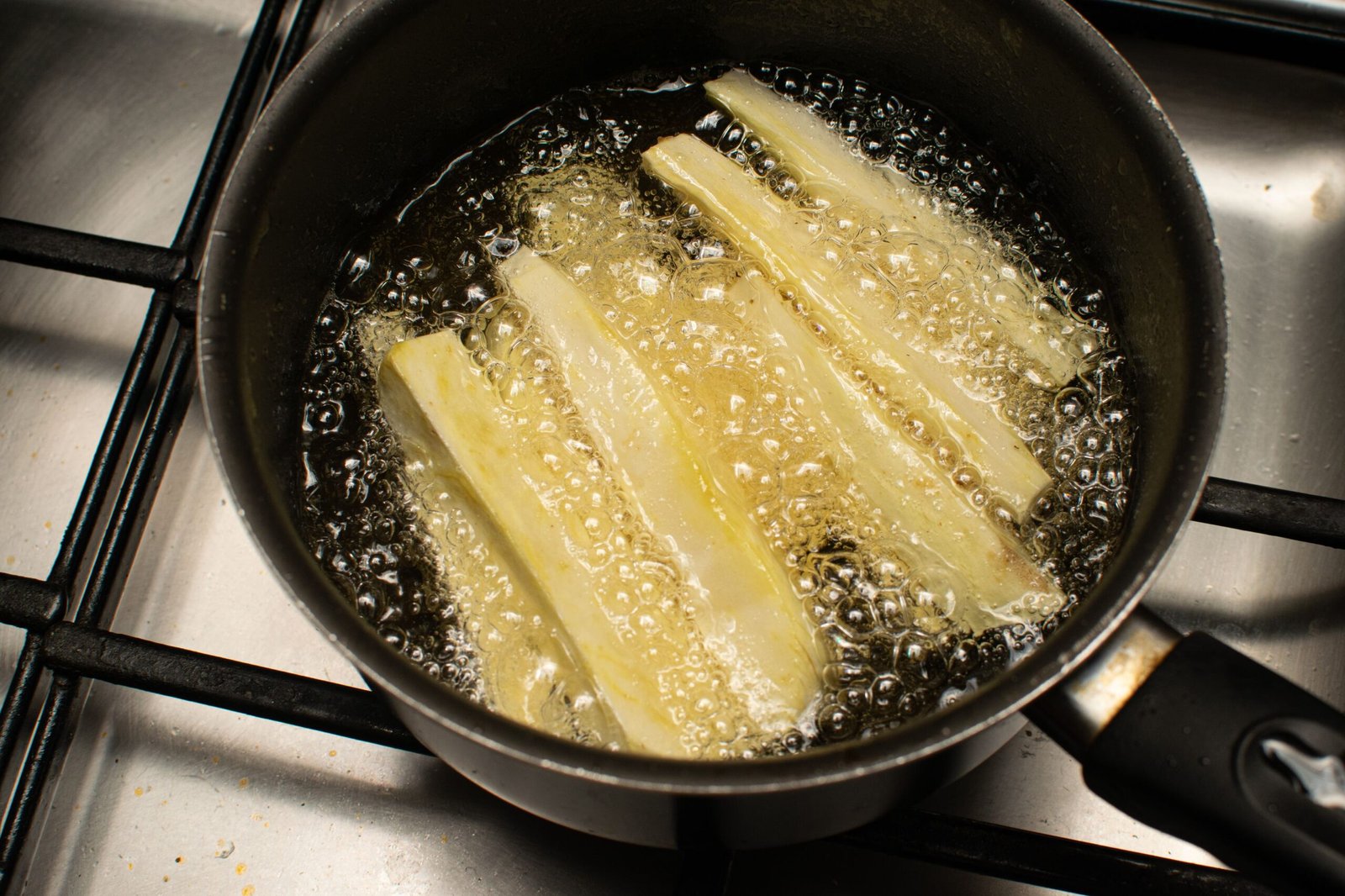
- Fry in 350°F (175°C) oil until the edges are golden and crisp, 4 to 7 minutes.
- Drain on a rack. Salt while hot with about 1/2 colher de chá (1/2 teaspoon) kosher salt per pound of fried pieces.
You can also pan-fry in a generous film of oil or bottled Brazilian butter (manteiga de garrafa), turning until all sides color. That is closer to a home chapa than a fryer and it uses less oil.
At the barbecue
Boil earlier in the day. Fry or reheat in a skillet when the first sausage comes off. Fried macaxeira does not hold; it softens. Boiled macaxeira holds better if you keep it covered and hot.
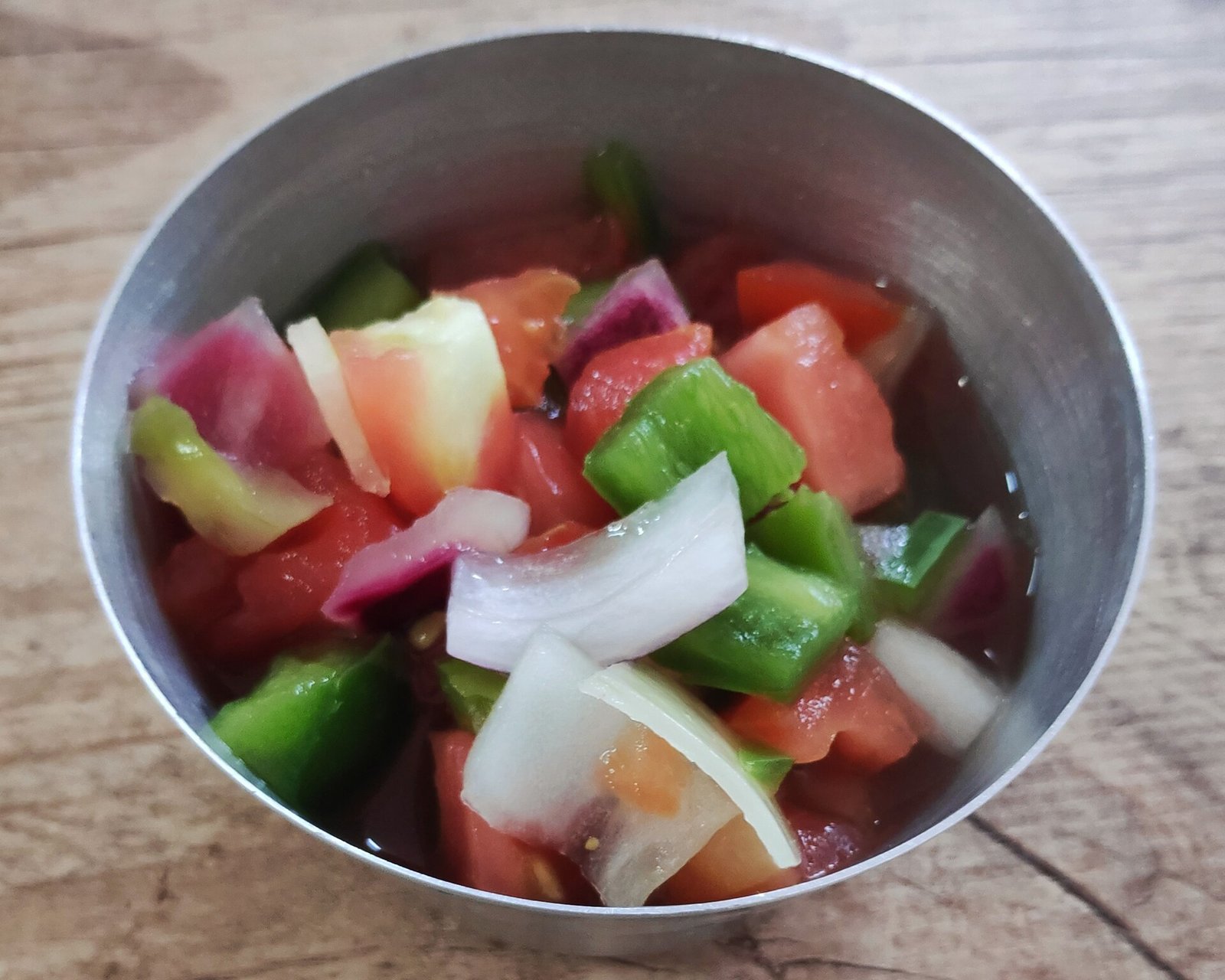
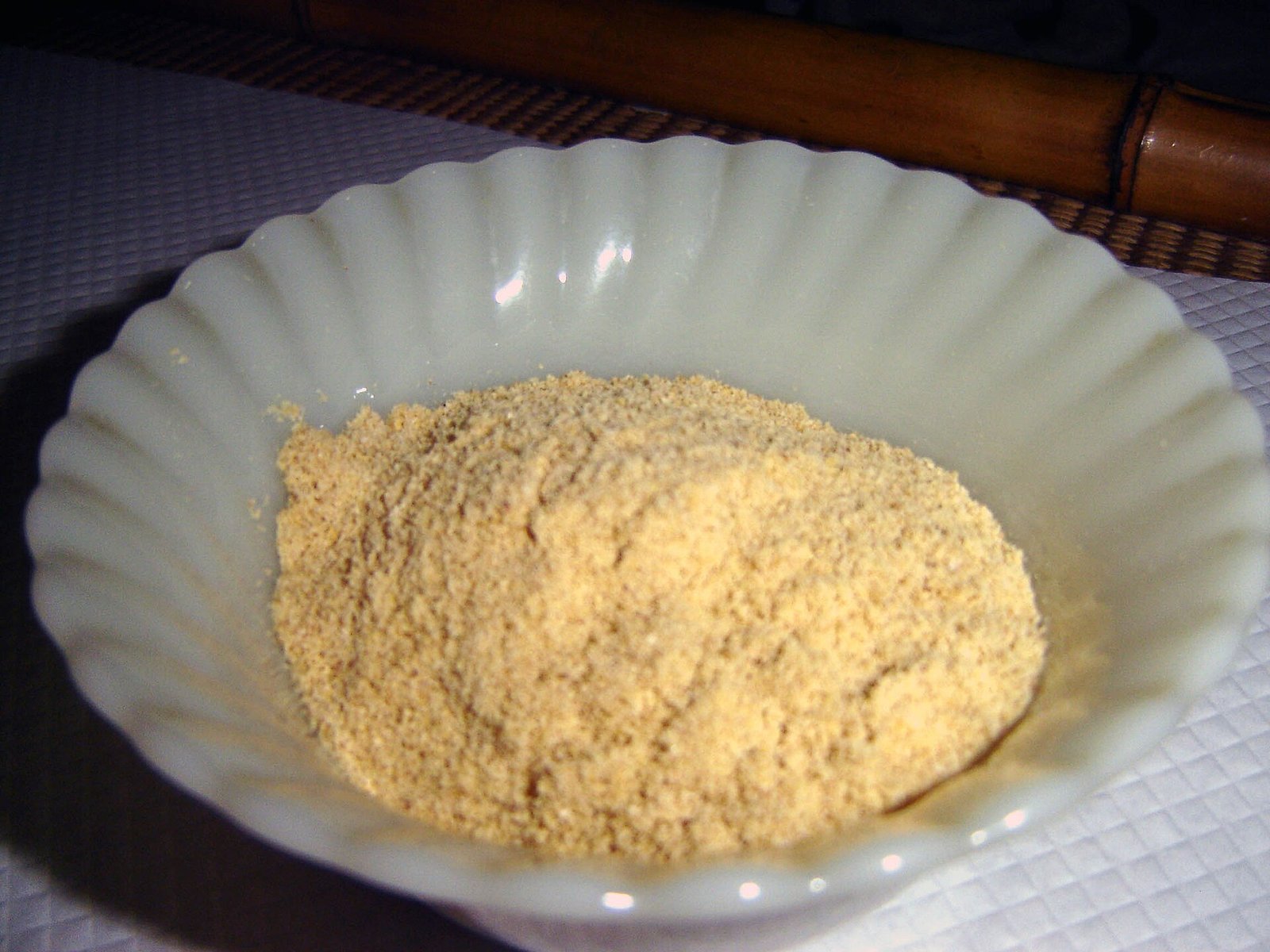
Serve with Brazilian tomato-onion sauce (vinagrete), toasted cassava flour (farofa) made from dry cassava flour (farinha de mandioca) in butter, not tapioca starch, and the meat. It pairs naturally with grilling cheese (queijo coalho; halloumi is the US stand-in) and linguiça toscana. A little salt is enough.
Substitutes
If you cannot find fresh yuca, this side does not have a clean stand-in. Potatoes fry well and they are not macaxeira. Frozen yuca in the Latin freezer, already peeled, is the US fallback: boil it from frozen until tender, then fry.
Leave a Reply