
Shop links on this page: I may earn a commission. Same price for you. As an Amazon Associate I earn from qualifying purchases.
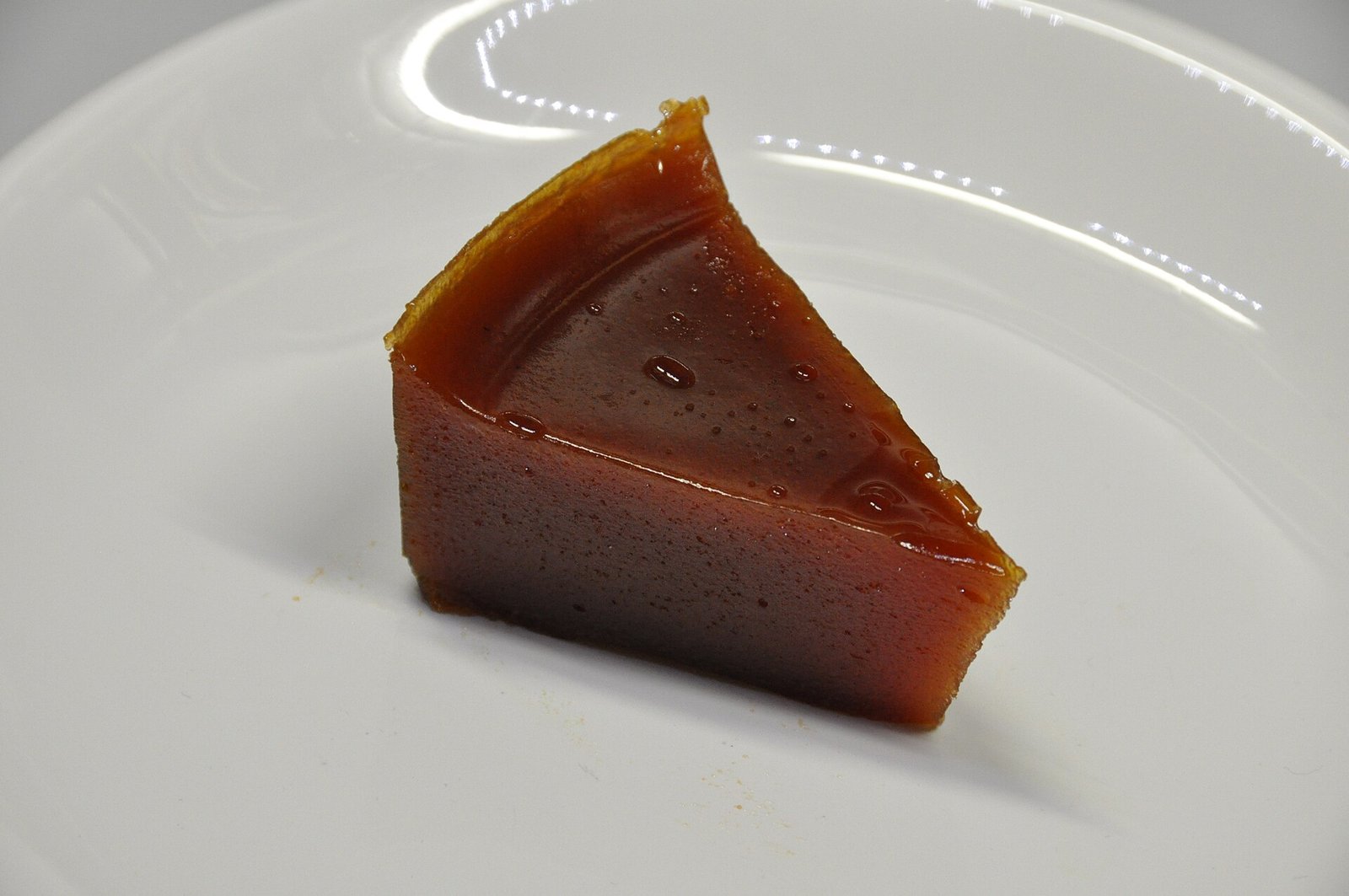
Homemade guava paste (goiabada) is the dense fruit block used on Romeu e Julieta and inside bolo de rolo. It is cooked guava and sugar. It is not grape jelly, and it is not membrillo (quince paste). A Mexican- or Brazilian-market block is the usual buy when there is no time for a pot. Goya sits in many Mexican shops. Predilecta sits in Brazilian shops.
What it is
In Minas Gerais and across Brazil, ripe red or pink goiaba is cooked with sugar until it sets into a sliceable block (goiabada em barra or cascão) or a softer spread (goiabada cremosa). The fruit has its own pectin. Lemon juice helps it set. The home pot below makes a firm block for cheese. Stop earlier if the paste is for spreading on bolo de rolo.
In a US store, ripe pink or red guavas show up in season at Latin and Asian markets. Year-round, unsweetened frozen pink-guava pulp in the Latin freezer is the honest start for the fruit. Guava jelly and cocktail mix are already sweetened.
How it is used
Slice the firm block with fresh cheese (Romeu e Julieta). Melt a softer batch for Pernambuco roll cake (bolo de rolo). Put the plate out after the meat, with cafezinho. It is not a side for the fire.
Where to buy it
Ask at a Mexican or Brazilian market for goiabada em barra (the firm block) or goiabada cremosa (the soft tin). Goya is the Mexican-aisle bar. Predilecta is the Brazilian bar. The firm block slices. The soft tin spreads. Grape jelly and membrillo (quince paste) are other fruit pastes.
What to buy
- Low: Goya guava paste at a Mexican or Latin market
- Usual mid: Predilecta at a Brazilian market, or a home pot from unsweetened frozen pink-guava pulp
- High: a home pot from ripe red or pink guavas
Ingredients (one small loaf, about 1 1/2 lb / 700 g)
- 2 lb (900 g) ripe red or pink guavas, or 2 lb (900 g) unsweetened frozen pink-guava pulp, thawed
- 1 lb (450 g) granulated sugar
- 2 tablespoons, 30 ml (2 colheres de sopa) lemon juice
- 1/4 cup (60 ml) water, only if starting from whole fruit
Method
- If using whole fruit: wash the guavas. Cut off the ends. Halve them. Scoop the seeds into a blender with the water. Blend and strain. Chop the flesh. Put the flesh and the strained seed pulp in a heavy pot.
- If using frozen pulp: put the thawed pulp in the heavy pot. No extra water.
- Add the sugar and the lemon juice. Stir over medium-low heat until the sugar dissolves.
- Cook, stirring often so the bottom does not scorch. The mass thickens and turns a deep rose. This takes 35 to 55 minutes. Stay with the pot late in the cook — splatter is hot.
- For a firm block: a wooden spoon should leave a brief trail on the bottom, and a drop on a cold plate should wrinkle and hold its shape. For a spread (bolo de rolo): stop when the paste is thick but still soft, like warm jam.
- Pour into a lightly oiled loaf pan or a wet glass dish. Cool to room temperature. Chill at least 4 hours, better overnight, before slicing.
Safety instructions
Hot sugar burns and sticks to skin. Keep hands and faces away from the pot, stir with a long spoon, and let the paste cool before handling it.
How you know it is done
The firm block cuts clean and holds a slice next to cheese. If it weeps and will not set, it needed more time. If it is dark, sticky, and bitter, it cooked too hard. The spreadable batch should smear thin without tearing a warm cake sheet.
When it goes on the table / storage
Make the block a day ahead. Wrap it and keep it in the fridge. A high-sugar pot keeps a couple of weeks cold. Use a clean knife. The homemade block is not a shelf-stable factory bar. If mold shows, throw it out.
What to leave out
Start from fruit or unsweetened pulp. A store block is the usual buy when there is no time for a pot.
Leave a Reply