
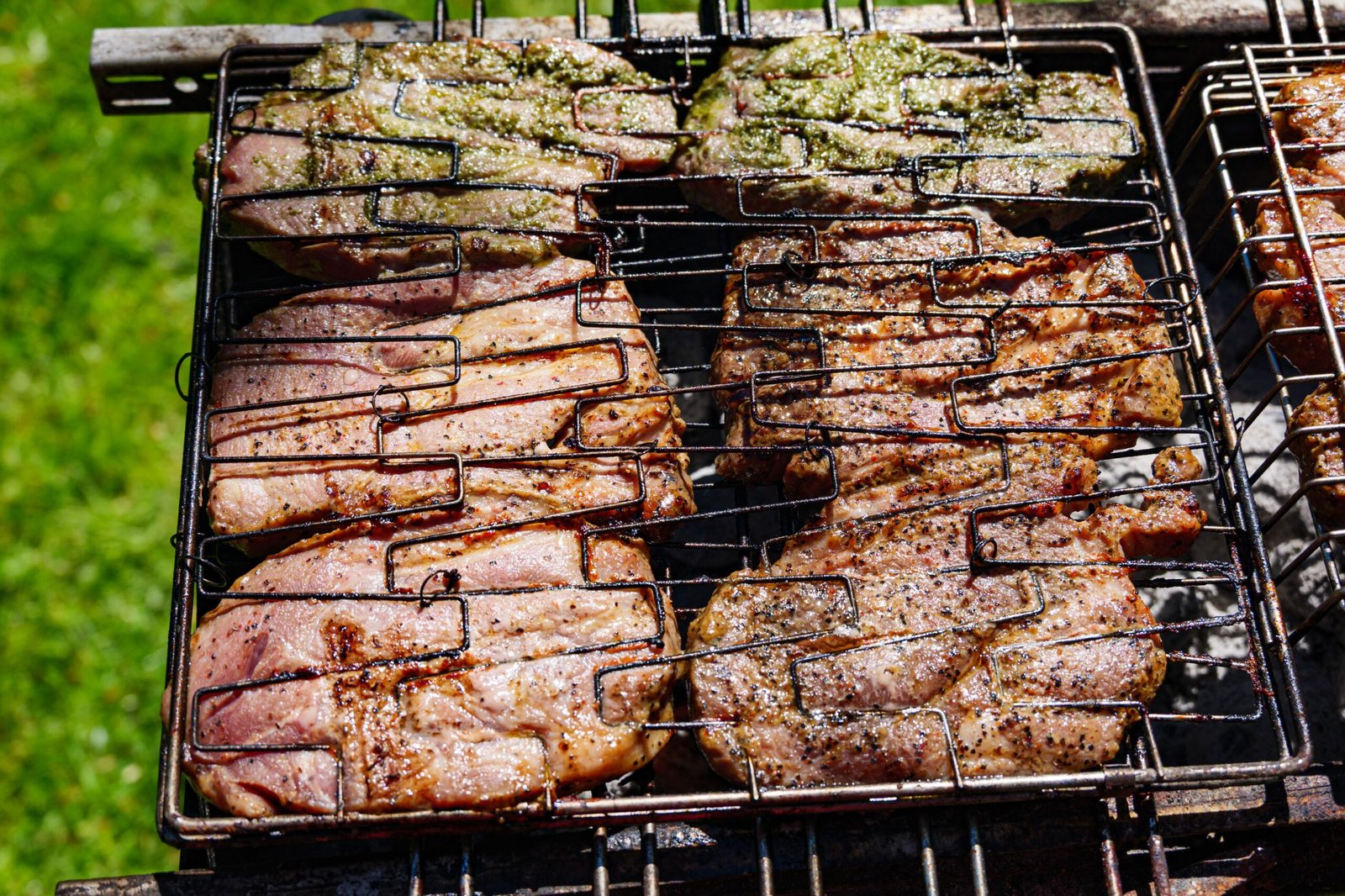
Pernil is a skin-on pork leg (or shoulder) cooked over brasa — embers, live coals — for a feast. This is not American pulled pork, not suckling pig, and not a smoker wrap with barbecue sauce.
At a glance
- Region: across Brazil (festa / Sunday cook)
- Yield: a 6 to 8 lb (2.7 to 3.6 kg) picnic shoulder or fresh ham feeds a crowd as the pork on a mixed churrasco
- Time: overnight seasoning, then about 2 to 3 1/2 hours on a two-zone kettle grill, plus rest
- Gear: lump charcoal, two-zone kettle grill, instant-read thermometer
- Ask for: skin-on picnic shoulder or fresh ham / pork leg. A Brazilian or Latin shop may say pernil or paleta.
Shop links on this page: I may earn a commission. Same price for you. As an Amazon Associate I earn from qualifying purchases.
Safety instructions
Cook pork to 145°F (63°C) and rest 3 minutes. A butcher or named packer is the better source. Ground pork stays 160°F (71°C).
What you are actually buying
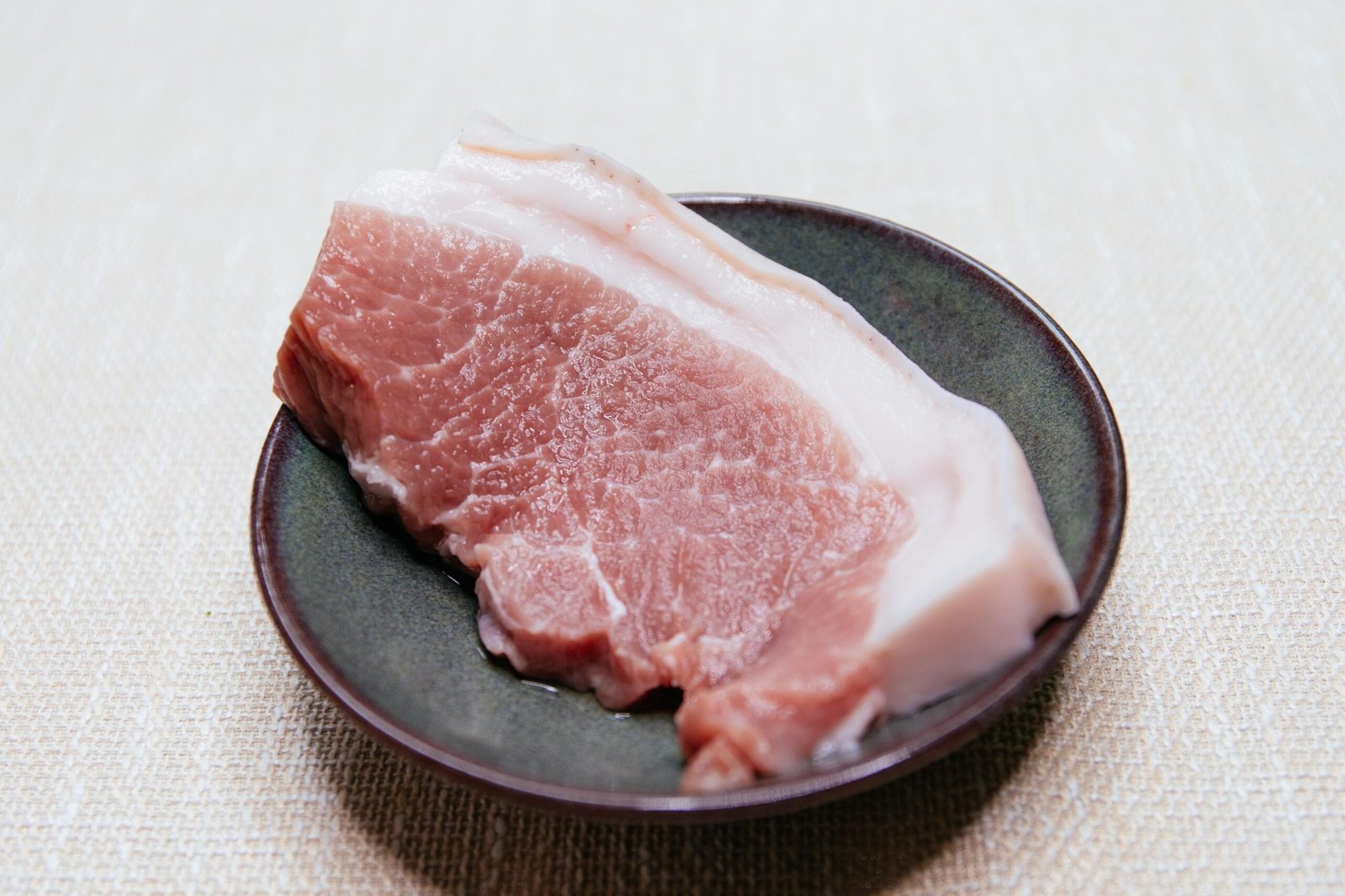
In Brazil, pernil is the pork leg; paleta is the shoulder. In the US, ask for a skin-on picnic shoulder or a fresh ham (uncured pork leg). Warehouse and grocery picnic packs are the easy low end. A butcher piece with the skin left on is the usual mid. Mexican, Latin, and Brazilian markets often already label it pernil.
Keep the skin on. Bone-in holds shape on the grate. This cook stays a roast you slice — not shredded shoulder, not a Texas wrap, not a sauce glaze.
Seasoning
Pork takes garlic, Persian lime (limão taiti), oil, onion, bay, and cheiro-verde (parsley + green onion), with sal grosso or coarse kosher salt. Score or prick the skin down to the fat, not into the meat. Keep wet marinade off the skin so it can dry for crackling later.
For a 6 to 8 lb (2.7 to 3.6 kg) roast: crush 8 to 12 garlic cloves; juice 3 to 4 Persian limes; add 3 to 4 tablespoons (45 to 60 ml) oil; 1 onion, sliced; 2 bay leaves; a handful of chopped parsley and green onion; and about 1 tablespoon (15 g) sal grosso per quilo (1 kg / 2.2 lb) of meat — or 1 tablespoon Morton kosher or 1 1/2 tablespoons Diamond Crystal per quilo. Rub the meat side, cover, refrigerate overnight. Leave the skin uncovered in the fridge so it dries.
Cooking it over coals
Build a two-zone fire with lump charcoal (100% wood lump), not briquettes, and let it ash over. See two-zone fire. Start the roast on the cool side, skin up, and give it time. A kettle grill grate sits closer than a skewer setup — often about 10 cm (4 in) — so the empty side is what keeps the meat from scorching while it cooks through.
Pull at 145°F (63°C) in the thickest part, away from bone, with an instant-read thermometer. Rest, then slice. For blistered crackling skin (pururuca), use the finish in pururuca — dry skin, then a short hotter pass — instead of copying that lecture here.
On the table
Vinagrete, farofa, white rice, and cold beer or soft drinks. Slice after the rest on a cutting board. Barbecue sauce stays off.
What to buy
Coarse salt for the rub, a thermometer in the thick middle. The full kit is on What to buy.
Salt
- Low: Morton Coarse Kosher
- Usual mid: Diamond Crystal kosher. A Brazilian-market bag of sal grosso is better when you find it.
- High: Cisne Sal Grosso. Grocer only.
Thermometer
- Low: ThermoPop 2
- Usual mid: CHEF iQ Sense
- High: Thermapen ONE
Next cooks
- Pururuca (crackling skin)
- Torresmo
- Pork loin on the churrasco
- Pork ribs (costelinha)
- Pork picanha
- Two-zone fire
Region: Across Brazil.
Leave a Reply