
Charcoal is closer to churrasco. Gas works if that is what you have. On gas, run burners on one side only so there is a hot side and an empty side.
Shop links on this page: I may earn a commission. Same price for you. As an Amazon Associate I earn from qualifying purchases.
Safety instructions
Use an instant-read thermometer. USDA finish is 145°F (63°C) for whole-muscle beef, 165°F (74°C) for chicken, 160°F (71°C) for ground meat.
The word churrasco does not name a piece of equipment, but it does name a heat source. Brasa means glowing embers, and Brazilian barbecue is built on cooking beside and above them.
Why coals are the method
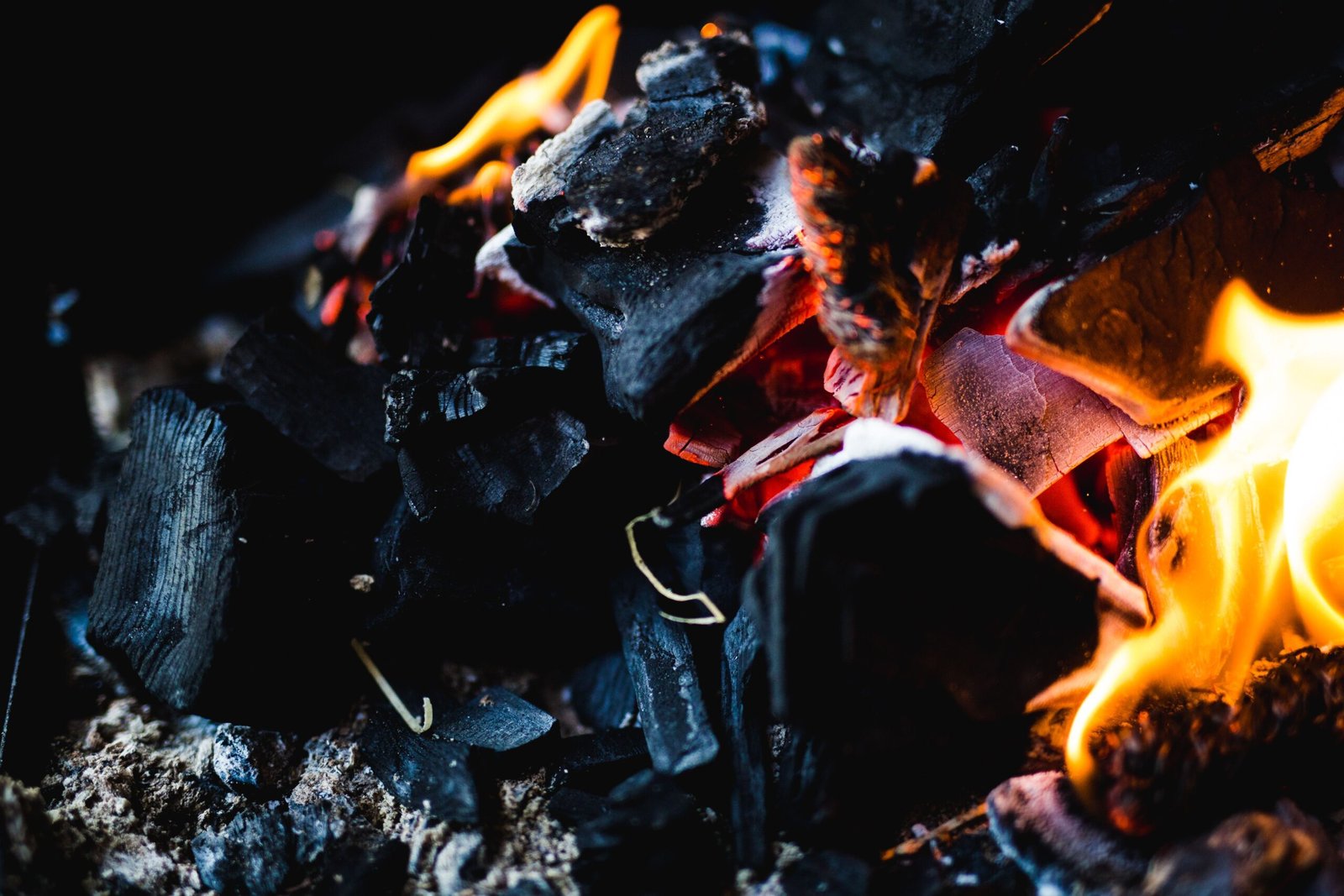
A bed of glowing charcoal produces steady radiant heat with very little flame. Fat drips down, hits the coals, and mostly vaporizes into smoke that rises past the meat. The heat is intense but it is directional, which is what lets you control the cook by moving the meat closer or farther rather than by turning a knob.
That control is the whole technique for a fat-capped cut like picanha. You render the cap over embers, pull back when it flares, and bring it in again. You cannot really do that with a fixed burner under a grate.
A kettle grill grate often sits around 10 cm (4 in) from the coals, closer than the 30–40 cm (12–16 in) Brazilian beef wants, so two zones or a raise-and-lower grill do the work. See how far picanha sits from the charcoal.
Lump charcoal
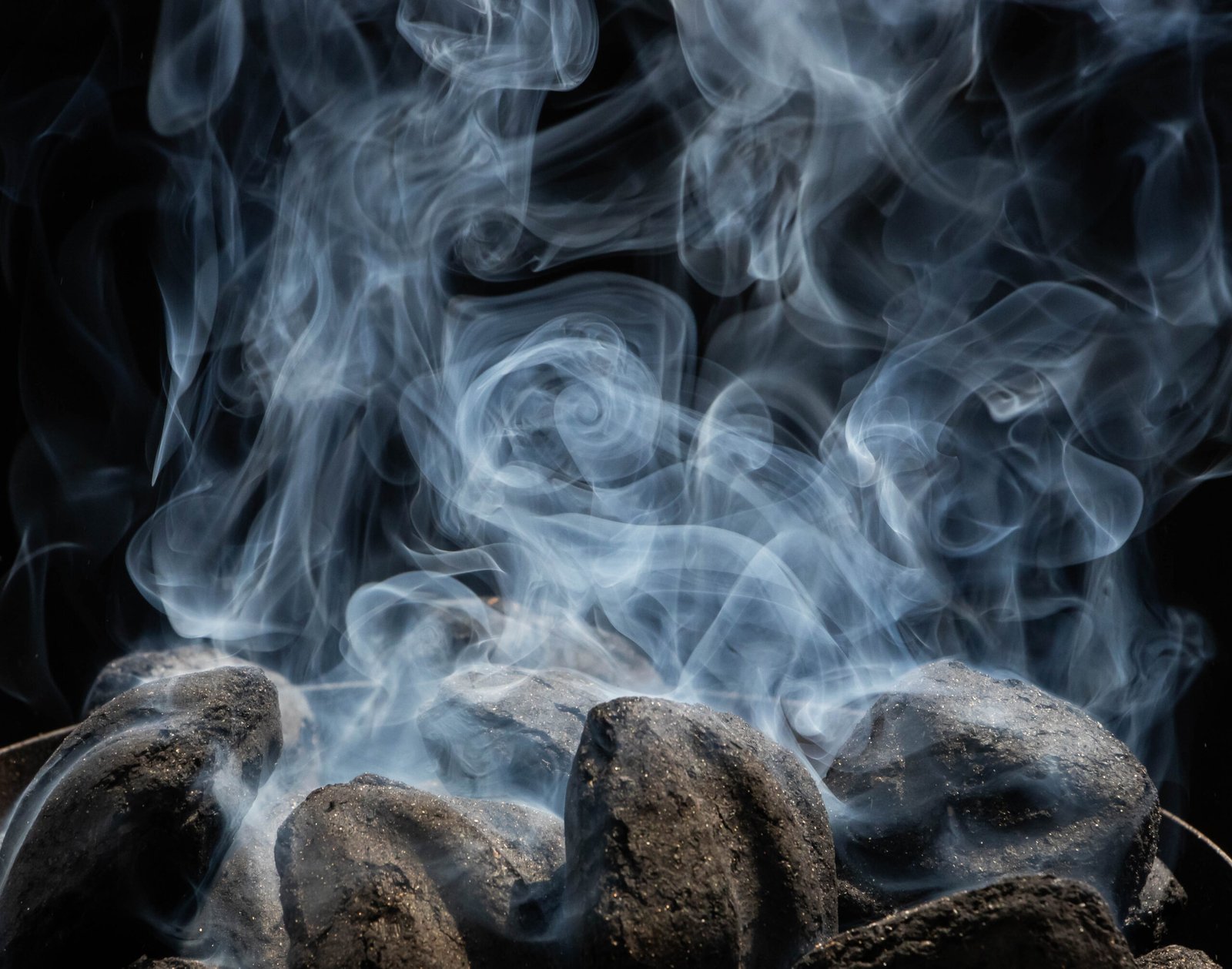
Brazilian churrasco fire is lump charcoal (100% wood lump), not briquettes. Lump is charred hardwood with nothing added. It lights fast, burns hot, and leaves relatively little ash. It is the practical default for a backyard churrasco in the US.
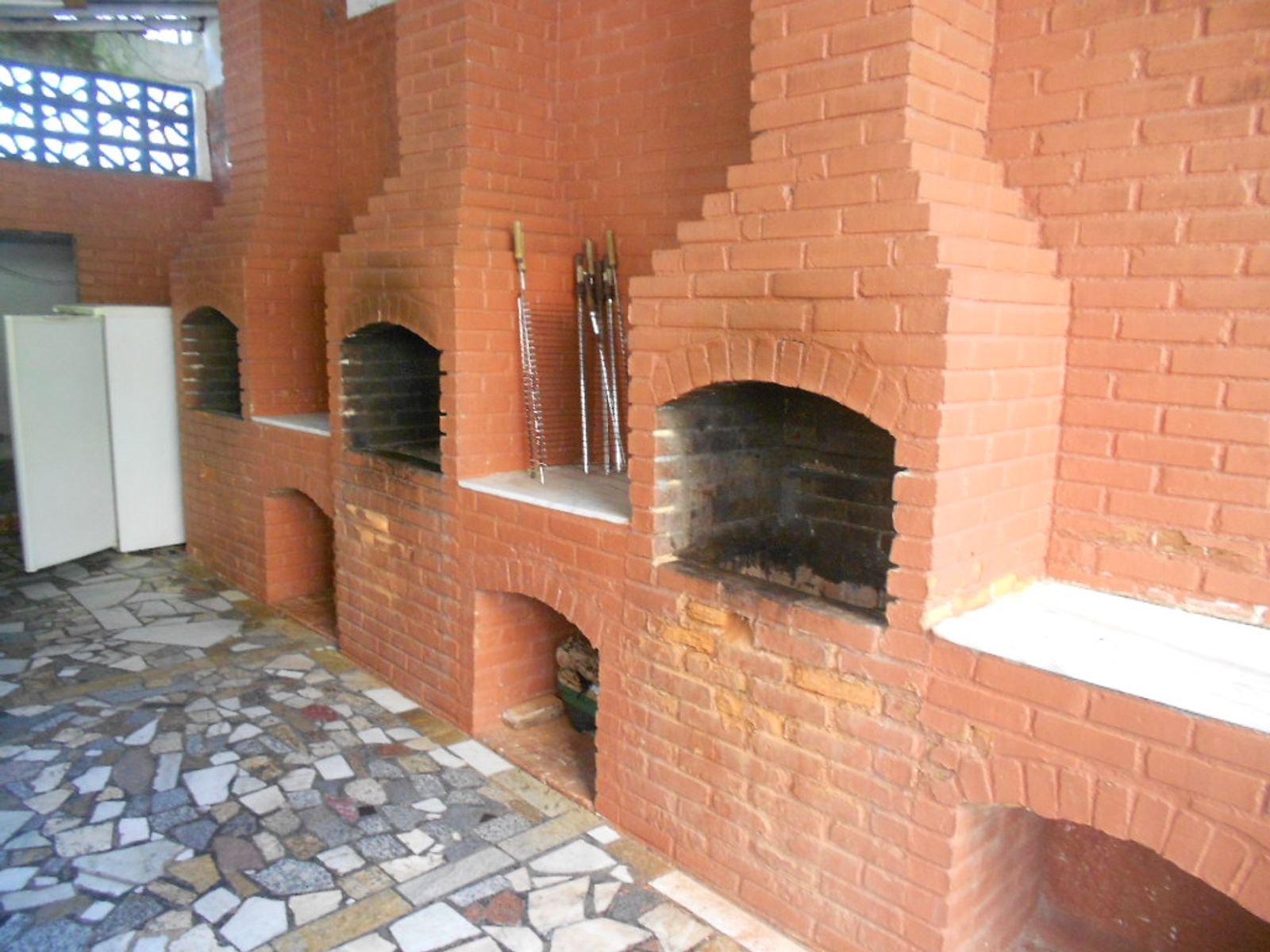
Hardwood burned down to coals is closest to what a traditional churrasqueira does. It takes longer, requires a bigger fire, and gives a somewhat different flavor. If you have a firebox and time, it is worth doing once so you know the difference. It is not required.
A chimney and newspaper light the lump. Lighter fluid leaves a smell on the meat. A chimney starter lights a full load in about fifteen to twenty minutes with a sheet of newspaper and leaves no chemical smell. It is the single cheapest piece of gear that improves the result.
Reading the coals
Wait until the coals are covered in gray ash and glowing, not flaming. Dumping meat over black or actively flaming charcoal gives you soot and off flavors. From a chimney, that usually means pouring out when the top coals have just ashed over, then giving them another five minutes spread in the grill.
Use the hand test at the height the meat will sit. Hold your palm there and count. Two to three seconds before you have to pull away is hot enough for a beef crust. If you cannot hold one second, you are too close. If you can hold five or six, the fire is too cool or the meat is too far away.
Where gas actually works
A gas grill is a real cooking tool. It preheats in ten minutes, it holds temperature, and you can fake two zones by running burners on one side only. For a picanha steak, a chicken, or a batch of linguiça on a weeknight, that is enough. An instant-read thermometer still tells you the inside of the meat, on charcoal or gas.
What you give up is flavor depth and the specific quality of radiant ember heat. Gas produces water vapor as it burns, which makes it slightly harder to get a dry, hard crust. Drippings hit metal flavorizer bars instead of embers. The result is a good grilled steak. It is milder than churrasco.
Be honest about that rather than trying to fix it with smoke boxes and wood chips on a searing cook. A chip smoker helps a long cook. It does not turn a twenty-minute picanha into an ember-cooked one.
Pellet grills
A pellet grill is an excellent smoker and a mediocre griller. It runs on convection at controlled temperatures and most models struggle to produce the surface heat a beef crust needs. Some newer units have a sear zone that helps.
A pellet grill is not a churrasqueira. You can make good food on it. It is a different cook.
Choosing for your situation
If you are cooking for a group on a weekend and you want the real thing, use charcoal. A basic kettle grill and a chimney will do it. If you are cooking for two on a weeknight, use gas and do not feel bad about it.
If you live somewhere that prohibits charcoal, gas is your method and you should optimize it: preheat longer than you think, get the grate genuinely hot, run two zones, and keep the lid down less than you would for low-and-slow barbecue.
The technique carries over either way. Salt only on beef, fat cap on, distance and zone control instead of constant flipping, slice against the grain. Those matter more than the fuel.
What to buy
Coals are the method. A chimney is the cheapest piece that improves the fire. The usual mid is the one to get first. The full kit is on What to buy.
Charcoal
- Low: a named lump bag that lights clean in a chimney.
- Usual mid: Jealous Devil lump.
- High: FOGO Premium lump. Dense pieces that last.
Chimney
- Low: Kingsford Heavy Duty chimney — a smaller-budget starter that lights a full load.
- Usual mid: Weber Rapidfire 7416.
Next cooks
Region: Across Brazil.
Leave a Reply